---
title: Your Voice, Our Language | Translation Services for Big Brands | C.Ivy
description: C.ivy Co., Ltd offers top-notch translation, interpretation, transcription, and transcreation services in Myanmar, ensuring clear communication across languages and cultures.
---
[Skip to content](https://www.civylanguageservices.com/services#main-content)
Homepage
- [Home](https://www.civylanguageservices.com?hsLang=en)
- [Services](https://www.civylanguageservices.com/services)
- [Blog](https://www.civylanguageservices.com/blog?hsLang=en)
- [About Us](https://www.civylanguageservices.com/about?hsLang=en)
[Get started](https://www.civylanguageservices.com/contact?hsLang=en)
- [Home](https://www.civylanguageservices.com?hsLang=en)
- [Services](https://www.civylanguageservices.com/services)
- [Blog](https://www.civylanguageservices.com/blog?hsLang=en)
- [About Us](https://www.civylanguageservices.com/about?hsLang=en)
[Get started](https://www.civylanguageservices.com/contact?hsLang=en)
## Who We Are
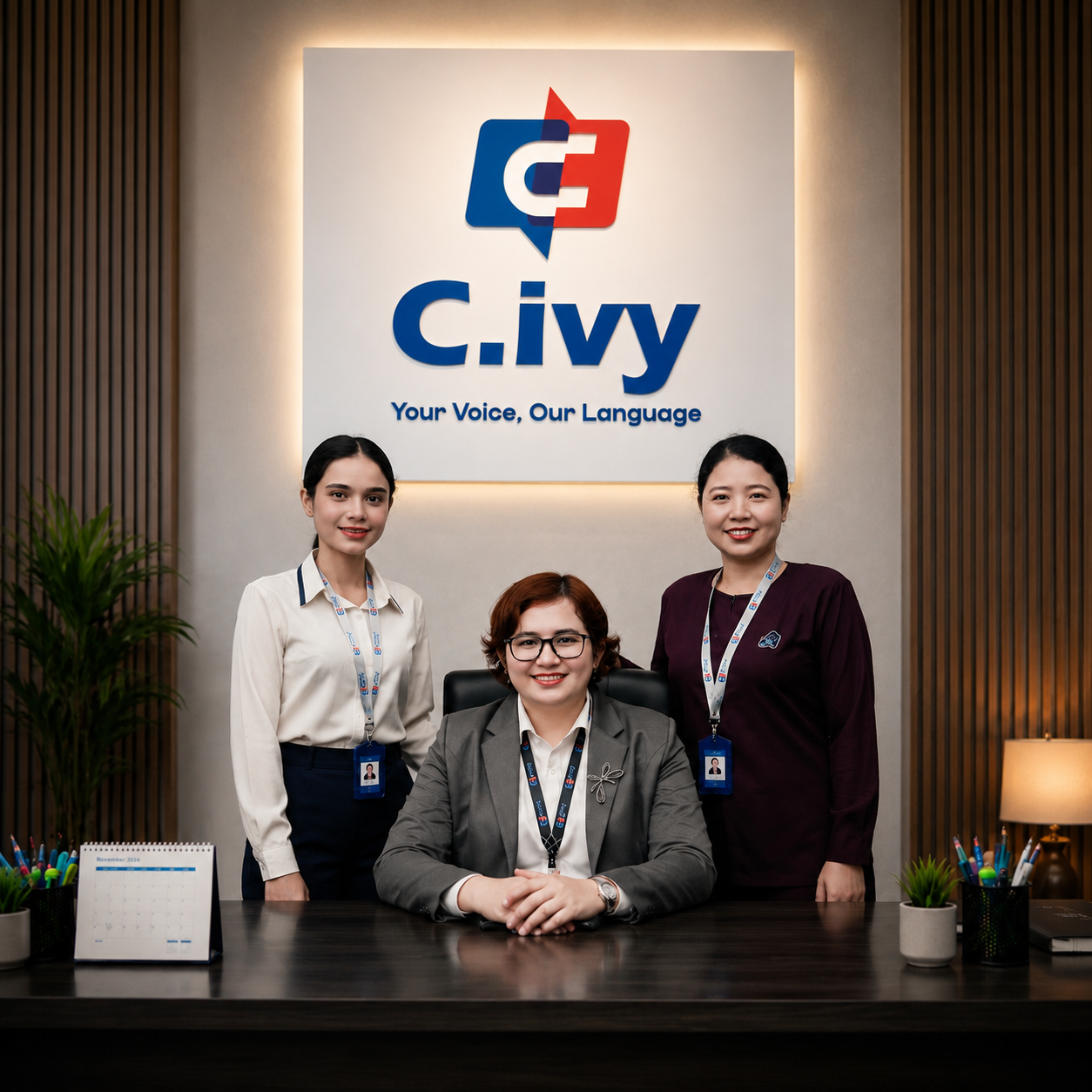
C.ivy Co., Ltd is a women-led business which is based in Mandalay, Myanmar. We have our headquarters at a commercial center in downtown Mandalay. In addition, we have a home studio where we do remote interpretation assignments and recording projects.
## Services
- Translation
- Interpretation
- Transcription
- Transcreation
- Translation
Globalization brings people together, creating new opportunities as well as new challenges. Language can become either a bridge to understanding or a barrier to communication. As businesses expand across borders and digital platforms, reaching global audiences is now more achievable than ever.
C.ivy is a trusted language service provider based in Myanmar, specializing in English, Burmese, and Myanmar ethnic languages, Asian and European languages. Our team of native linguists delivers accurate, reliable, and culturally appropriate translations, including regional dialects.
We follow a complete Translation–Editing–Proofreading (TEP) process, assigning dedicated linguists to each stage and maintaining quality through experienced language leads. Our project managers coordinate every step efficiently, ensuring timely delivery, clear communication, and prompt responses.
At C.ivy, we help you connect with the world by expressing your voice in every language. **Your Voice, Our Language.**
- Interpretation
The fastest way to connect with people is by speaking their language. Yet language is complex, with dialects, accents, and cultural nuances that make accurate interpretation essential. Professional interpreters help ensure your message is understood clearly and confidently.
At C.ivy, our network of native-speaking interpreters delivers seamless communication across languages, helping you build trust and create opportunities. We provide both consecutive and simultaneous interpretation for meetings, conferences, and events, whether onsite or remotely.
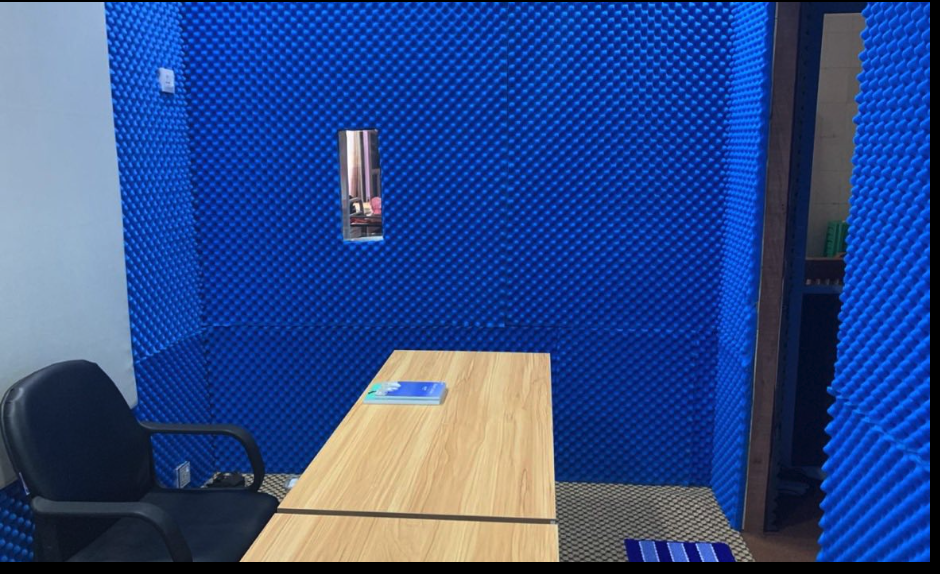
Our soundproof studio and professional audio-visual equipment ensure high-quality remote interpretation that meets international standards. Backed by experienced linguists and dedicated support, C.ivy helps your voice reach every audience with clarity and confidence.
- Transcription
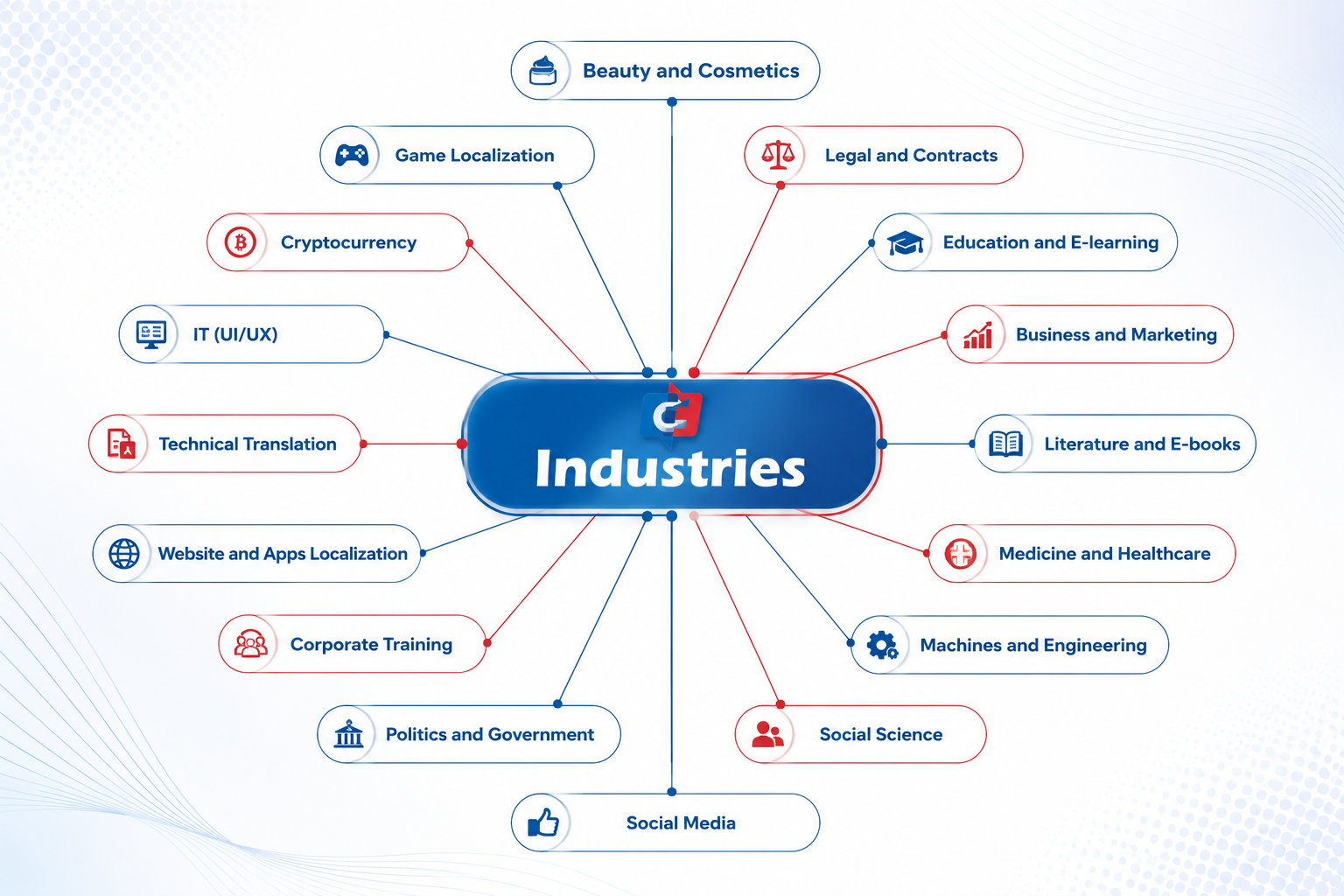
Transcription is essential for capturing valuable information from interviews, meetings, speeches, and research. Accurate transcription requires more than language fluency—it demands trained professionals who can distinguish meaningful content from pauses, fillers, and background noise.
At C.ivy, our experienced transcriptionists specialize in a wide range of industries. We provide verbatim transcription, translated transcription, and time-coded transcripts to meet your project requirements. Using advanced tools and proven quality processes, we deliver accurate, readable, and reliable results.
Whether for research, business, or media, you can trust C.ivy to transform spoken content into precise, high-quality transcripts—so you can focus on what matters most.
- Transcreation
Business growth is every company’s ambition. Expanding beyond your home market into international audiences requires more than industry expertise—it demands messages that truly connect. Simple translation is often not enough. Transcreation adapts your content creatively and culturally, making it resonate with local audiences.
At C.ivy, we provide professional transcreation services that combine cultural understanding with creative writing to present your brand in the most compelling way. Our native linguists craft impactful slogans, taglines, and marketing content that capture attention and build trust, helping your products and services gain recognition in new markets.
Expand internationally with confidence. Let C.ivy’s experts transform your message into one that speaks naturally to every audience.
## Languages
- Jingpo
- Karenni
- S'gaw Karen
- East Pa’O & West Pa’O
- Burmese
- Falam Chin
- Tedim Chin
- Hakha Chin
- Mon
- Rakhine
- Shan
- Jingpo
The Jingpo people, also known as Kachin in Myanmar, are an ethnic group primarily living in northern Myanmar and Yunnan Province in China. They speak the Jingpo language. Historically, the Jingpo were animists, worshipping nature spirits and ancestors, but over time, many have converted to Christianity, especially in Myanmar, where Christian missionaries have influenced the community. The Jingpo people are predominantly agricultural, with rice being their staple crop, and their way of life is closely tied to the land they cultivate.
- Karenni
The Karenni people, also known as the Kayah, primarily reside in Kayah State in eastern Myanmar, with some communities also found in northern Thailand. They speak the Kayah languages, which belong to the Sino-Tibetan language family, and their cultural identity is strongly tied to their linguistic heritage and traditions. The Karenni practice a mix of animism and Christianity, with many holding onto their traditional beliefs in spirits and nature alongside the influence of Christian missionaries. Despite facing political challenges and displacement, the Karenni continue to preserve their cultural heritage and customs in the face of modern pressures.
- S'gaw Karen
The S'gaw Karen are a prominent subgroup of the Karen people, predominantly residing in Karen State in Myanmar and in various regions of Thailand. They speak the S'gaw Karen language, which belongs to the Sino-Tibetan language family, reflecting their rich linguistic heritage. The S'gaw Karen community is characterized by a diverse spiritual landscape; while many adhere to Buddhism and Christianity, a significant number still practice animism. Despite political and economic pressures, the S'gaw Karen continue to thrive, fostering a spirit of resilience and community solidarity.
- East Pa’O & West Pa’O
The Pa'O people, one of Myanmar's many ethnic groups, are traditionally divided into two main groups: The East Pa'O, primarily residing in Shan State, and the West Pa'O, found in Kayah and Karen States. Both groups share the Pa'O language, which belongs to the Tibeto-Burman family, though slight dialectical variations exist between the two. The East Pa'O, who live closer to urban areas such as Taunggyi, are more exposed to modern influences, resulting in a lifestyle that blends traditional customs with contemporary developments. Their unity is reflected in cultural celebrations, traditional clothing, and shared historical narratives, which continue to bind the East and West Pa'O together as one people, regardless of the influence of modernity or geographical separation.
- Burmese
The Burmese people, also known as the Bamar, are the largest ethnic group in Myanmar, and their influence shapes much of the country’s culture and identity. The Burmese language, part of the Sino-Tibetan language family, is the official language of Myanmar and is spoken by the majority of the population. The Burmese are widely known for their hospitality and generosity, often expressed through acts of sharing food and welcoming guests into their homes. Despite the challenges Myanmar has faced over the years, the Burmese people take great pride in their rich cultural heritage, maintaining their traditions while adapting to modern developments.
- Falam Chin
The Falam Chin are an ethnic group native to Falam, a town in the mountainous Chin State of Myanmar. They speak the Falam Chin language, which is part of the broader Tibeto-Burman language family. While Christianity is the predominant religion among the Falam Chin, reflecting the influence of missionary activities during the colonial era, some still practice traditional animism. Despite their geographic isolation, the Falam Chin maintain a strong sense of community, and their social life revolves around communal activities and traditional festivals.
- Tedim Chin
The Tedim Chin are an ethnic group native to the town of Tedim in Chin State, Myanmar. They speak the Tedim language, which is part of the Kuki-Chin branch of the Tibeto-Burman language family, and their linguistic heritage is a key aspect of their identity. The majority of the Tedim Chin people are Christian, predominantly Baptists. Despite modern influences and economic challenges, the Tedim Chin work to preserve their traditions, language, and sense of identity while adapting to the evolving world around them.
- Hakha Chin
The Hakha Chin are an ethnic group native to the town of Hakha, the capital of Chin State in Myanmar. They speak the Hakha language, which belongs to the Kuki-Chin branch of the Tibeto-Burman language family, and language plays a significant role in preserving their cultural identity. The majority of Hakha Chin are Christian, with most identifying as Baptists. Despite modern challenges, the Hakha Chin remain resilient in preserving their language, customs, and agricultural traditions, ensuring their rich cultural legacy endures.
- Mon
The Mon people, an ethnic group in Myanmar, primarily reside in Mon State, although smaller communities can be found throughout the country and in parts of Thailand. They speak the Mon language, which belongs to the Mon-Khmer branch of the Austroasiatic language family, and are predominantly Theravada Buddhists, with a minority practicing traditional animism. Despite the challenges of maintaining their language and traditions, the Mon continue to uphold their cultural identity with pride.
- Rakhine
The Rakhine people, also known as the Arakanese, are an ethnic group native to Rakhine State in western Myanmar. They speak the Rakhine language, which is closely related to Burmese but retains unique linguistic features that set it apart. Historically, Rakhine State has been a cultural crossroads, influenced by Indian, Burmese, and Southeast Asian civilizations, which is evident in the state’s architecture, art, and historical monuments. Despite modern challenges, the Rakhine people maintain a strong sense of cultural identity and regional pride, preserving their traditions while adapting to contemporary changes.
- Shan
The Shan people, an ethnic group primarily residing in Shan State in eastern Myanmar, are an integral part of the country’s diverse cultural landscape. They speak the Shan language, which belongs to the Tai-Kadai language family and shares linguistic similarities with other Tai languages spoken across Southeast Asia. The Shan people are part of the broader Tai ethnic group, often referred to as Tai Long or Tai Yai, sharing deep linguistic, cultural, and historical connections with other Tai groups in neighboring countries like Thailand, Laos, and southern China. Their rich cultural heritage, shaped by centuries of history and interaction with neighboring regions, remains a source of pride for the Shan people as they continue to uphold their traditions in the modern world.
## **Facilities**
- Soundproof Room
- USB Headsets
- Web Camera
- Solid White Background
- Decent Lighting
- Ethernet Connection
- Electricity, Solar Energy
- Printers, Scanner, Paper Shredder
## **Procedures**
- Consult references and do research
- In-house DTP and formatting
- Certified translation process
- Language lead proofreading
- Relevant qualified interpreter based on event requirements
[](https://www.civylanguageservices.com/?hsLang=en)
- Home
- Products
- Pricing
- Blog
- Company
---